

A CRM system for real estate agents is necessary for property sales, client management, and pipeline visibility. In a market where response time, follow-ups, and personalization directly impact deal closures, relying on spreadsheets or disconnected tools results in lost opportunities.
This comprehensive guide explains how to choose the right CRM for real estate agents, what features truly matter, and how the best CRM for realtors differs from generic CRM platforms. Whether you are an independent agent, team leader, or broker managing multiple agents, this article will help you select the right real estate agent software for sustainable growth.
What is a CRM System for Real Estate Agents?
A CRM system for realtors is a centralized platform designed to manage property leads, track interactions, automate follow-ups, monitor sales pipelines, and organize client data throughout the buying or selling lifecycle.
Unlike generic CRM tools, a specialized realtor CRM software includes:
- Property inventory tracking
- Lead source attribution
- Automated reminders for site visits
- Broker and agent performance monitoring
- Commission tracking
The goal is simple: convert inquiries into site visits, site visits into offers, and offers into closed deals, without losing control of data.
Why Do Real Estate Agents Need a Dedicated CRM ?
The real estate sales cycle is complex. Buyers may take weeks or months to decide. Multiple site visits, negotiations, and documentation steps require consistent tracking.
A dedicated agent CRM ensures:
- No lead is forgotten
- Every inquiry is categorized
- Follow-ups are timely
- Team performance is measurable
Without a structured real estate agent management software, agents rely heavily on memory or manual lists. This leads to missed follow-ups and inconsistent client experiences.
Core Features of the Best CRM for Real Estate Agents
Choosing the best CRM for real estate agents requires understanding which features directly influence revenue.
1. Lead Management & Auto-Assignment
The foundation of any CRM for real estate agents is lead capture and distribution. The system should automatically assign new inquiries based on location, property type, or agent availability.
For brokers, a strong CRM for real estate brokers must provide visibility into how leads are distributed across the team.
2. Automated Follow-Ups
Buyers rarely convert on first contact. The best realtor CRM software automates reminders, SMS messages, WhatsApp follow-ups, and email nurturing sequences.
Automation reduces dependency on manual tracking and ensures timely communication.
3. Property & Inventory Management
Unlike standard CRMs, real estate agent software must connect clients to specific units, pricing, and availability.
The top CRM for real estate agents integrates inventory with customer records, allowing agents to instantly match preferences with available listings.
4. Pipeline Visualization
Visual pipeline tracking is essential. A top rated CRM for realtors should show stages like:
- New Inquiry
- Contacted
- Site Visit Scheduled
- Negotiation
- Booking
- Closed
5. Communication Integration
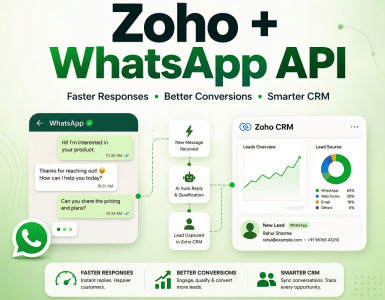
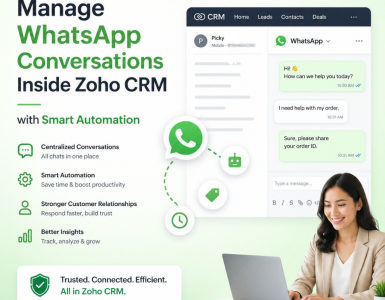
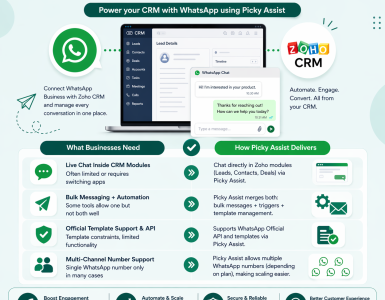
Modern buyers expect instant responses. Advanced CRM programs for realtors integrate WhatsApp, email, Facebook Messenger, and Instagram DM directly within the dashboard. This eliminates the need to switch between apps and improves response speed.
CRM for Realtors vs Generic CRM: What’s the Difference?
Many agents attempt to use general-purpose CRM platforms. However, these often lack property-specific workflows.
A true real estate CRM for brokers includes:
- Commission tracking
- Builder-developer reporting
- Agent performance metrics
- Campaign ROI analysis
Generic tools may manage contacts, but they rarely handle real estate-specific processes effectively.
What Makes the CRM for Brokers Different?
Brokers operate at a higher complexity level than individual agents. The best CRM for brokers must support:
- Multi-agent teams
- Role-based access
- Lead routing rules
- Performance dashboards
- Commission calculation
A scalable best CRM software for real estate brokers should provide centralized control without limiting individual agent productivity.
Easiest CRM for Realtors: Why Simplicity Matters?
The easiest CRM for realtors is not necessarily the one with the most features, it is the one that agents actually use consistently.
Adoption depends on:
- Intuitive interface
- Minimal training time
- Mobile accessibility
- Quick data entry
The top agent CRM balances automation with usability. Overly complex systems often fail due to low adoption rates.
CRM for Real Estate Brokers: Team & Performance Management
A high-performing brokerage requires data visibility.
A strong real estate software for brokers provides:
- Agent conversion ratios
- Lead response times
- Revenue forecasting
- Campaign effectiveness tracking
This transforms the CRM from a simple contact database into a performance management engine.
Realtor Client Management Software: Enhancing Customer Experience
Modern buyers expect personalized communication. A robust realtor client management software stores:
- Budget preferences
- Property interests
- Previous site visit notes
- Communication history
When agents access this information instantly, they provide a more tailored experience, increasing trust and conversion rates.
How to Choose the Best CRM System for Realtors?
When evaluating the best CRM system for realtors, consider the following criteria:
Scalability
Can the system support additional agents and properties as you grow?
Automation Depth
Does it automate follow-ups, reminders, and reporting?
Integration
Does it integrate with marketing channels and lead sources?
Analytics
Does it provide actionable insights rather than just raw data?
Compliance & Data Security
Does it ensure safe storage of client data?
The top CRM for realtors aligns with both daily operations and long-term growth strategy.
Key Benefits of Using a CRM for Real Estate Agents
A well-implemented CRM for real estate agents delivers measurable advantages:
- Higher lead conversion rates
- Reduced response time
- Improved team accountability
- Better pipeline forecasting
- Structured communication
Over time, this creates a competitive advantage in a saturated market.
Choosing the Right CRM System for Real Estate Agents
A CRM system for real estate agents is not just a digital address book, it is a structured sales engine. The right system transforms lead management, improves communication efficiency, and increases deal closures.
Whether you are searching for the best CRM for agents, the best software for realtors, or a scalable real estate CRM for brokers, the decision should be guided by workflow compatibility, automation strength, and ease of adoption.
In 2026 and beyond, real estate success will increasingly depend on data-driven sales processes. Investing in the top rated CRM for realtors ensures that no opportunity is lost and every client interaction is tracked, measured, and optimized.
FAQs on CRM for Realtor
1. What is the best CRM for realtors?
The best CRM for realtors depends on team size, automation needs, and integration requirements. A real estate-specific CRM typically outperforms generic tools.
2. What is the difference between a CRM for real estate agents and brokers?
A CRM for real estate agents focuses on individual lead management, while a CRM for real estate brokers includes team tracking, commission reporting, and performance dashboards.
3. Is there a best free CRM for realtors?
Free CRM options exist, but they usually lack advanced automation and scalability required for growing teams.
4. What features should the best CRM for real estate agents include?
Lead management, pipeline tracking, automation, communication integration, and reporting are essential features.
5. How does realtor client management software improve sales?
It centralizes client data, tracks communication history, and ensures timely follow-ups, leading to higher conversion rates.
6. What is the easiest CRM for realtors to use?
The easiest CRM for realtors combines intuitive design with automation, reducing manual data entry and training time.
7. Can a CRM help real estate brokers increase revenue?
Yes. A structured CRM enables brokers to monitor agent performance, improve lead distribution, and optimize sales processes.
8. What is the top CRM for real estate agents in 2026?
Top platforms are those that integrate multi-channel communication, offer strong automation, and provide real estate-specific workflow customization.


Add comment