

Conversational commerce has moved from being an emerging trend to a measurable revenue driver. As customers shift from browsing websites to messaging brands directly, WhatsApp has become the preferred interface for discovery, decision-making, and purchase completion. A conversational commerce platform is unavoidable in this shift as it enables brands to automate engagement while preserving personalization.
When conversations happen at scale and in real time, humans struggle to keep up. However, AI conversational chatbots are purpose-built for this moment. In this environment, speed and consistency matter more than persuasion alone, and that is precisely why bots increasingly outperform human sales teams.
The First 60 Seconds Decide the Outcome!
Multiple industry studies show that responding to a lead within the first minute increases conversion probability by up to 98%. On WhatsApp, customers expect instant replies, not queued responses. This is where a conversational commerce platform delivers a structural advantage.
Human sales teams operate within working hours, capacity limits, and cognitive fatigue. Chatbots do not. They respond instantly, 24/7, without variance. This makes chat commerce platform deployments far more effective in high-volume environments.
Why Does WhatsApp Change Buyer Behavior?
WhatsApp is not treated like email or web chat. It is perceived as personal, immediate, and conversational. That psychological framing shifts buyer expectations.
With WhatsApp conversational commerce, customers ask questions mid-intent; pricing, availability, delivery timelines, and expect answers instantly. Chat commerce on WhatsApp Business works best when friction is eliminated, which is difficult to achieve manually at scale.
This is where conversational shopping becomes transactional rather than exploratory.
Conversational Chatbots Are Designed for Conversion Consistency
A well-configured conversational commerce platform ensures that every customer receives the same level of attention, accuracy, and speed. Bots do not forget follow-ups. They do not misquote pricing. They do not delay responses.
Conversational AI for ecommerce allows brands to:
- Qualify leads automatically
- Recommend products contextually
- Trigger reminders and nudges
- Recover abandoned carts
These conversational commerce solutions outperform human-only teams because they remove variability from the funnel.
Humans Add Value Later & Not First
This does not mean humans are irrelevant. It means timing matters.
Data from conversational e-commerce deployments shows that bots handle 70–80% of initial interactions more efficiently. Human agents perform best once intent is clear and complexity increases.
A conversational commerce chatbots act as the frontline, while humans step in only when necessary. This hybrid approach is now standard across high-performing teams.
Conversational Commerce Example: Instant Replies That Convert
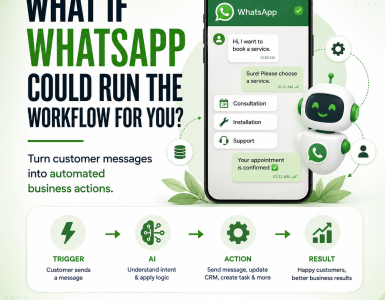
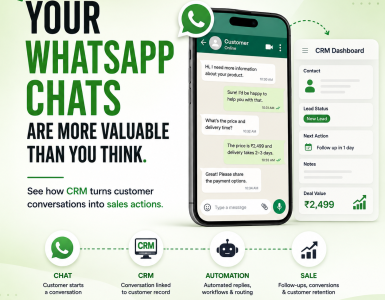
A strong example of this in action is Picky Assist. Using its conversational commerce platform, brands deploy WhatsApp bots that respond instantly to inbound messages, guide users through product discovery, and trigger purchase-ready flows.
With conversational AI in ecommerce, Picky Assist chabots handle FAQs, catalog browsing, and order status automatically. A conversational chatbot for ecommerce ensures customers never wait, one of the biggest drivers of conversion uplift.
In multiple deployments, AI conversational commerce via WhatsApp Business has reduced response times to under 2 seconds, directly improving close rates.
Retail and Ecommerce Are Leading the Shift
Conversational commerce in retail has shown particularly strong results. Customers shopping via messaging convert faster because decisions happen in context.
The conversational commerce market is projected to grow at over 83% CAGR, driven largely by messaging-first platforms. Shopify conversational commerce integrations are accelerating this trend, allowing merchants to connect storefronts directly to WhatsApp.
Conversational commerce on Shopify enables automated product sync, order updates, and re-engagement flows without manual effort.
Why AI Chatbots Win at Scale?
The structural advantage is clear. A conversational commerce platform:
- Scales infinitely
- Responds instantly
- Operates continuously
- Maintains consistency
Human sales teams simply cannot match this efficiency during peak demand. Chat commerce platform performance improves as volume increases, exactly the opposite of human capacity.
This is why brands investing in conversational commerce software see higher ROI compared to traditional sales-led messaging.
Final Perspective
Conversational commerce is not about replacing humans. It is about deploying them where they matter most. In the critical first moments of engagement, bots outperform humans because they align with how customers behave on WhatsApp.
Brands that adopt a conversational commerce platform early gain speed, scale, and consistency, three factors that now define competitive advantage in messaging-led commerce.
In a channel where seconds determine outcomes, bots are not just helpful. They are essential.
FAQs on Conversational Commerce
Why do Chatbots perform better than humans on WhatsApp?
Bots respond instantly, handle unlimited conversations, and maintain consistency. On WhatsApp, speed directly impacts trust and conversion.
Is conversational commerce only for ecommerce?
No. While conversational e-commerce leads adoption, use cases now span retail, D2C, services, and even B2B sales.
Do customers prefer bots over humans?
Customers prefer fast and accurate responses. Bots meet this expectation first; humans add value later.
How does Picky Assist support conversational commerce?
Picky Assist enables WhatsApp bots, instant replies, AI-driven flows, and storefront integration within a single conversational commerce platform.



Add comment