
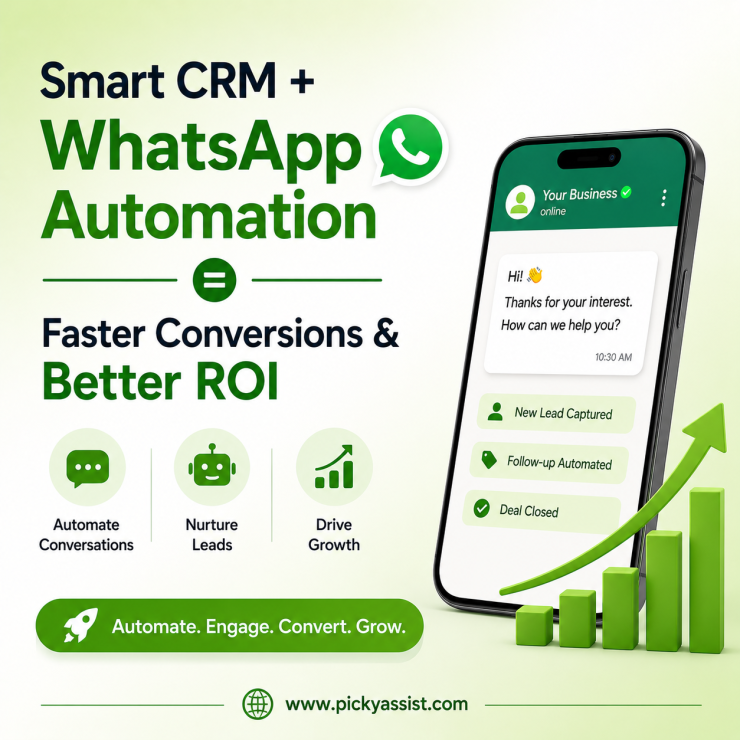
Customer journeys now span multiple channels, from Instagram and WhatsApp to email and follow-ups, making a customizable CRM essential for managing conversations, workflows, and customer engagement efficiently.
Businesses today need CRM platforms that can adapt to their sales process, communication workflows, customer lifecycle, and operational structure instead of forcing teams into rigid systems that slow execution. Whether a company is scaling customer support, automating lead nurturing, centralizing multi-channel conversations, or improving team collaboration, flexibility has become one of the most important CRM evaluation criteria.
For businesses handling conversations across WhatsApp, Instagram, email, website chat, and automation workflows, platforms like Picky Assist help teams create operational structures that align with their actual customer engagement model instead of relying on disconnected tools.
What is a Customizable CRM?
A customizable CRM is a customer relationship management platform that allows businesses to modify workflows, communication structures, automation logic, customer stages, data fields, and operational processes based on their specific requirements. Unlike traditional CRMs that offer limited configuration, customizable systems allow teams to shape the platform around their operations. This flexibility may include:
- Custom lead stages
- Automated workflows
- Multi-channel communication management
- Team-specific pipelines
- Custom customer attributes
- Internal routing logic
- Automated reminders and follow-ups
- Workflow triggers based on customer behavior
- Personalized communication sequences
The goal is simple: the CRM should adapt to the business, not the other way around.
Why Are Businesses Moving Toward Flexible CRM Systems?
Many businesses initially adopt CRMs expecting operational clarity but later discover that rigid systems create additional manual work. Common challenges include:
- Disconnected communication channels
- Limited automation options
- Poor integration flexibility
- Manual lead assignment
- Inconsistent follow-ups
- Lack of workflow personalization
- Difficulty scaling operations
As customer communication becomes more fragmented across platforms, businesses require systems capable of centralizing operations while still supporting customized processes. This shift explains why companies increasingly search for:
- fully customizable CRM platforms
- customizable CRM software
- custom CRM solutions
- scalable communication automation systems
The demand is not just about features anymore. It is about operational adaptability.
Why is Picky Assist One of the Best Customizable CRM Platforms in India?
Modern businesses need more than basic contact management. They need a customizable CRM that can automate conversations, centralize customer engagement, streamline team collaboration, and adapt to evolving workflows. Picky Assist combines communication automation, AI-powered engagement, and operational flexibility within one scalable platform.
Teambox for Centralized Team Collaboration
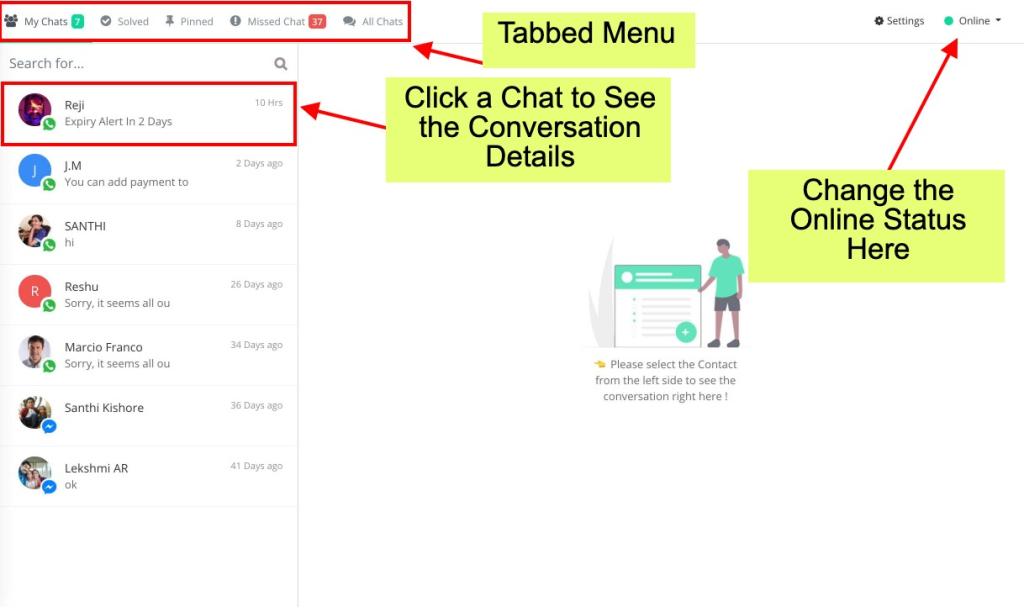
Picky Assist’s Teambox helps businesses manage WhatsApp, Instagram, email, website chat, and other customer conversations from a shared workspace. Teams can collaborate efficiently using shared inboxes, internal notes, conversation assignment, and centralized visibility.
Broadcaster for Automated Reminders and Campaigns
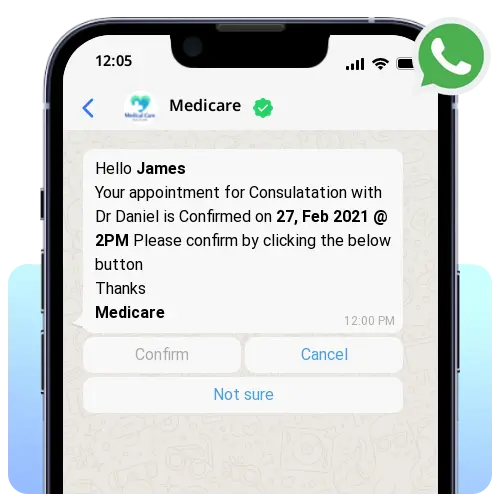
The Broadcaster feature helps businesses send bulk personalized messages, appointment reminders, follow-ups, promotional campaigns, and recurring notifications across communication channels while improving engagement consistency.
AI Chatbot for Automated Lead Conversations
Businesses can automate lead engagement using AI-powered chatbots that respond instantly, qualify leads, answer queries, and guide customers through conversations without requiring manual intervention.
No-Code Chatbot Builder
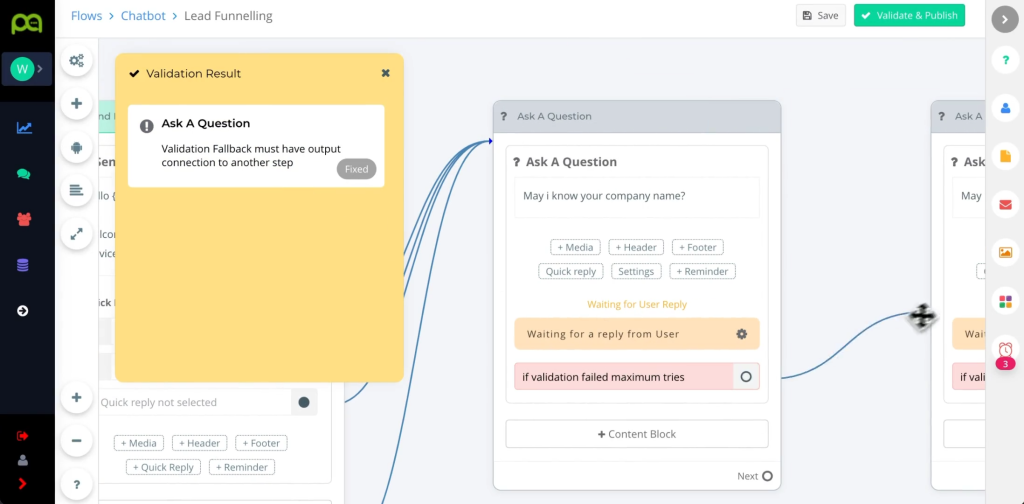
Picky Assist allows businesses to create chatbot without coding. Teams can design conversational journeys, automate responses, build lead qualification flows, and customize engagement experiences through an easy no-code builder.
Product and Service Catalog Management
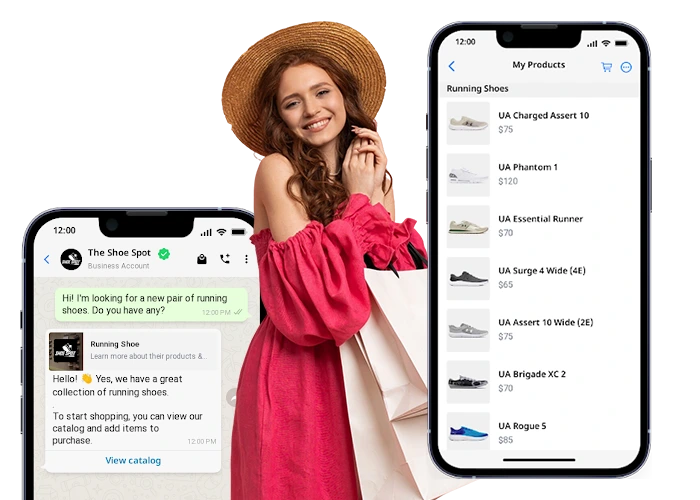
Businesses can showcase products and services directly within customer conversations, making it easier for leads to explore offerings, request information, and move through the buying journey faster.
Automated Lead Funnels for Higher Conversion
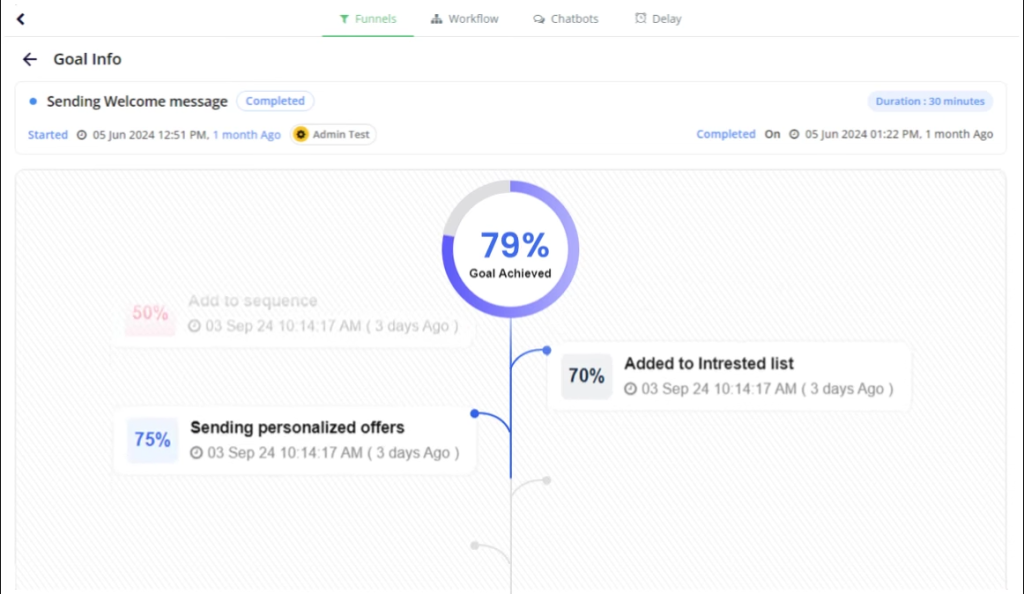
Picky Assist helps businesses create automated conversational funnels that nurture leads through different stages using follow-ups, engagement triggers, qualification workflows, and conversion-focused automation.
WhatsApp Automated Flows for Lead Data Collection
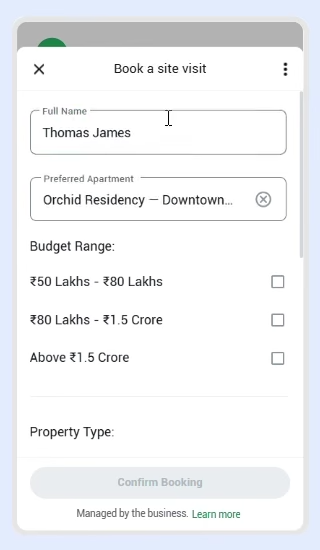
Businesses can automate customer interactions on WhatsApp to collect lead information, qualify inquiries, capture preferences, and route conversations automatically through structured chat workflows.
Automated Payment Collection Workflows
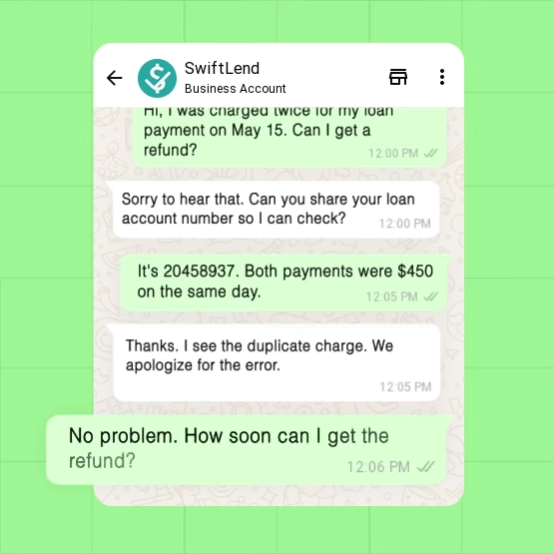
The platform supports payment collection automation by helping businesses send payment links, reminders, confirmations, and transaction-related communication within customer workflows.

AI Mate for AI-Powered Customer Engagement
AI Mate helps businesses communicate with customers using AI-driven conversational assistance that improves response speed, customer interaction management, and lead engagement efficiency.
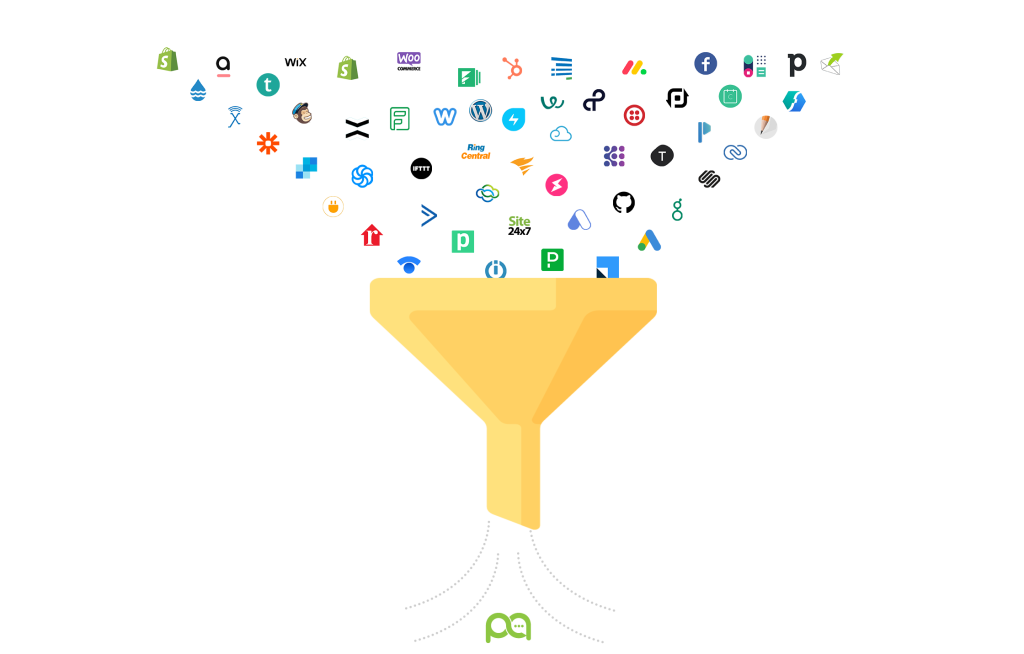
Connector Integration With 3000+ Applications
Picky Assist’s Connector helps businesses integrate with over 3000 applications, allowing teams to automate workflows, synchronize customer data, trigger actions, and connect operational systems without complex development work.
Built for Flexible Business Operations
Unlike rigid CRM systems that force businesses into fixed workflows, Picky Assist helps companies create customized communication and automation structures aligned with their operational processes, making it a strong customizable CRM choice for growing businesses in India.
Who Benefits Most From a Customizable CRM?
A customizable CRM for small business teams can be especially valuable because smaller organizations often require operational flexibility while managing limited resources. However, customization benefits businesses of all sizes.
Small Businesses
Small businesses need scalable systems without enterprise-level complexity. Customization helps smaller teams:
- Automate repetitive work
- Improve lead response speed
- Centralize communication
- Organize customer journeys
- Reduce operational inefficiencies
Growing Startups
Startups often change processes rapidly. Rigid CRMs become problematic because operational models evolve continuously during scaling phases. Flexible CRM systems allow startups to:
- Modify pipelines quickly
- Adjust automation rules
- Create new workflows
- Scale communication processes
Service-Based Businesses
Agencies, consultants, healthcare providers, education companies, and service businesses rely heavily on ongoing communication. A customizable communication workflow helps maintain:
- Faster response times
- Better lead nurturing
- Consistent follow-ups
- Higher client engagement
Multi-Channel Sales Teams
Businesses selling through multiple platforms require centralized visibility. Without it:
- Conversations become fragmented
- Follow-ups get missed
- Customer context disappears
- Team collaboration weakens
CRM flexibility becomes critical when communication volume increases.
What Makes a CRM Truly Scalable?
Scalability is not only about supporting more contacts. A CRM becomes scalable when it can handle:
- Increased communication volume
- More automation workflows
- Larger teams
- More customer touchpoints
- Complex customer journeys
- Cross-department collaboration
Many businesses outgrow entry-level CRMs because the platform cannot evolve alongside operational complexity. This is where the most customizable CRM systems differentiate themselves. They support operational evolution without forcing businesses into disruptive migrations later.
10 Best Customizable CRM Software for 2026
Businesses today need CRM platforms that adapt to their workflows, communication channels, automation requirements, and customer journeys instead of forcing teams into rigid systems. The best customizable CRM software helps businesses centralize communication, automate engagement, improve collaboration, and scale operations efficiently.
Here are some of the best customizable CRM platforms businesses should consider in 2026.
1. Picky Assist
Picky Assist stands out as one of the best customizable CRM platforms for businesses managing customer communication across WhatsApp, Instagram, email, website chat, and automation workflows.
Key features include:
- Teambox shared inbox
- AI chatbot automation
- No-code chatbot builder
- Broadcaster for reminders and campaigns
- Automated lead funnels
- WhatsApp automated flows
- Product and service catalogs
- AI Mate for AI-driven customer conversations
- Automated payment collection workflows
- Connector with 3000+ integrations
Picky Assist is especially suitable for businesses looking for conversational CRM automation combined with flexible workflow management.
2. HubSpot
HubSpot is widely used for sales, marketing, and customer service management. Its customization options include pipeline configuration, workflow automation, reporting dashboards, and marketing integrations. It works well for growing businesses that want an all-in-one CRM ecosystem.
3. Zoho
Zoho CRM offers flexible workflow customization, AI-powered sales assistance, automation tools, and strong integration capabilities. It is often preferred by small and medium-sized businesses looking for scalable CRM customization at competitive pricing.
4. Salesforce
Salesforce remains one of the most customizable CRM ecosystems available for enterprise businesses.
Its flexibility supports:
- Advanced workflow automation
- Large-scale integrations
- Custom application development
- Complex reporting
- Enterprise sales management
However, implementation complexity can be higher compared to simpler CRM platforms.
5. Freshworks
Freshsales by Freshworks combines sales automation, customer communication management, and AI-powered engagement tools within a user-friendly CRM environment. It is suitable for teams that want fast deployment with flexible workflow configuration.
6. Monday.com
Monday CRM focuses heavily on workflow customization and visual operational management. Businesses can create customized sales pipelines, automate repetitive processes, and adapt workflows to internal operations without extensive technical expertise.
7. Pipedrive
Pipedrive is known for its simple interface and sales-focused customization features. Its strengths include:
- Visual sales pipelines
- Workflow automation
- Activity tracking
- Lead management
- Custom reporting
It works well for sales-driven organizations that prioritize usability.
8. Microsoft
Microsoft Dynamics 365 offers enterprise-level CRM customization integrated with Microsoft’s ecosystem.
Large organizations often choose it for:
- Deep business process customization
- Enterprise analytics
- ERP integration
- Advanced workflow management
9. Zendesk
Zendesk Sell combines CRM functionality with customer support management and communication workflows. It is especially useful for businesses focused on customer engagement and service operations.
10. Bitrix24
Bitrix24 offers CRM functionality combined with team collaboration, communication tools, project management, and workflow automation. It is often considered by businesses looking for an all-in-one operational workspace.
How Automation Improves CRM Performance?
Customization alone is not enough. The real value comes when businesses combine flexibility with automation. Automation helps businesses:
- Reduce response delays
- Improve customer engagement
- Increase lead conversion consistency
- Reduce repetitive administrative work
- Improve follow-up reliability
For example, businesses using Picky Assist can automate:
- WhatsApp lead follow-ups
- Appointment reminders
- Inquiry routing
- Broadcast campaigns
- Lead qualification flows
- Customer support workflows
This creates operational efficiency while improving customer experience simultaneously.
The Role of AI and Conversational Workflows in CRM Systems
CRM systems are evolving beyond static databases. Modern platforms increasingly support:
- AI-powered chat automation
- Conversational workflows
- Automated qualification
- Smart routing
- Behavior-based engagement
Businesses now prioritize CRM ecosystems capable of handling real-time communication instead of simply storing customer records. This shift is especially important for industries where rapid response directly impacts conversion rates. For example:
- Healthcare inquiries
- Real estate lead generation
- Education admissions
- E-commerce support
- Service consultations
Businesses that respond faster often convert better.
Common Mistakes Businesses Make When Choosing CRM Software
Many CRM implementations fail because businesses focus too heavily on feature lists instead of operational compatibility.
Choosing Based Only on Price
A free customizable CRM may appear attractive initially, but limited automation, poor scalability, or restricted integrations can create operational problems later. Businesses should evaluate long-term workflow compatibility rather than short-term pricing alone.
Ignoring Communication Workflow Requirements
Some CRMs focus heavily on contact storage but lack strong communication management capabilities. Businesses operating heavily on WhatsApp, Instagram, and email should prioritize conversation-centric systems.
Overlooking Team Adoption
If workflows become overly complicated, teams may avoid using the CRM consistently. A CRM should improve operational clarity rather than create additional friction.
Selecting Rigid Platforms
Operational processes evolve. Businesses need systems capable of adapting without requiring complete restructuring every time workflows change.
How to Evaluate the Right CRM for Your Business
Before choosing a CRM platform, businesses should evaluate:
Communication Channels
Does the CRM support the platforms your customers actively use?
Workflow Flexibility
Can automation rules match your operational requirements?
Team Collaboration
Can multiple departments work efficiently within the same system?
Integration Ecosystem
Will the CRM connect with your existing tools?
Scalability
Can the system evolve as your business grows?
Automation Capabilities
Can repetitive communication and operational tasks be reduced?
Choosing the right CRM is less about finding the platform with the most features and more about selecting one that aligns with how your business actually operates.
Conclusion
Customer communication has become more dynamic, fragmented, and operationally demanding than ever before. Businesses no longer benefit from rigid CRM systems that force teams into inflexible workflows. They need platforms capable of adapting to evolving customer journeys, communication channels, automation requirements, and internal operational structures.
A customizable CRM helps businesses build systems around their real processes instead of relying on disconnected tools and manual coordination. For companies managing conversations across WhatsApp, Instagram, email, and automated customer engagement workflows, platforms like Picky Assist provide the flexibility needed to centralize communication, improve operational efficiency, and scale customer engagement more effectively.
FAQs on Customizable CRM
1. What is a customizable CRM?
A customizable CRM is a customer relationship management platform that allows businesses to modify workflows, pipelines, automation logic, customer fields, and communication structures based on operational requirements instead of using fixed templates.
2. Why do businesses need a customizable CRM system?
Businesses need flexibility because customer communication, sales processes, and operational workflows vary significantly across industries. A customizable system helps businesses align CRM workflows with actual business operations.
3. Is a customizable CRM suitable for small businesses?
Yes. A customizable CRM for small business teams can improve lead management, automate repetitive communication, centralize customer conversations, and reduce operational inefficiencies without requiring large teams.
4. What is the difference between custom CRM development and customizable CRM software?
Custom CRM development involves building a CRM platform from scratch, while customizable CRM software provides configurable workflows and automation without requiring full software development.
5. Can customizable CRM platforms support WhatsApp communication?
Some CRM platforms, including Picky Assist, support WhatsApp communication management, automated messaging workflows, chatbot automation, and shared inbox collaboration.
6. What industries benefit most from flexible CRM systems?
Industries that rely heavily on customer communication and lead management often benefit significantly, including healthcare, education, real estate, e-commerce, consulting, agencies, and service-based businesses.
7. Are free customizable CRM platforms enough for growing businesses?
Free platforms may work initially for smaller teams, but growing businesses often require advanced automation, multi-channel communication management, scalability, and integration flexibility that entry-level systems may not provide.
8. What should businesses prioritize when selecting CRM software?
Businesses should prioritize workflow compatibility, automation capabilities, communication channel support, scalability, integrations, and team collaboration instead of focusing only on pricing or feature quantity.
Add comment