
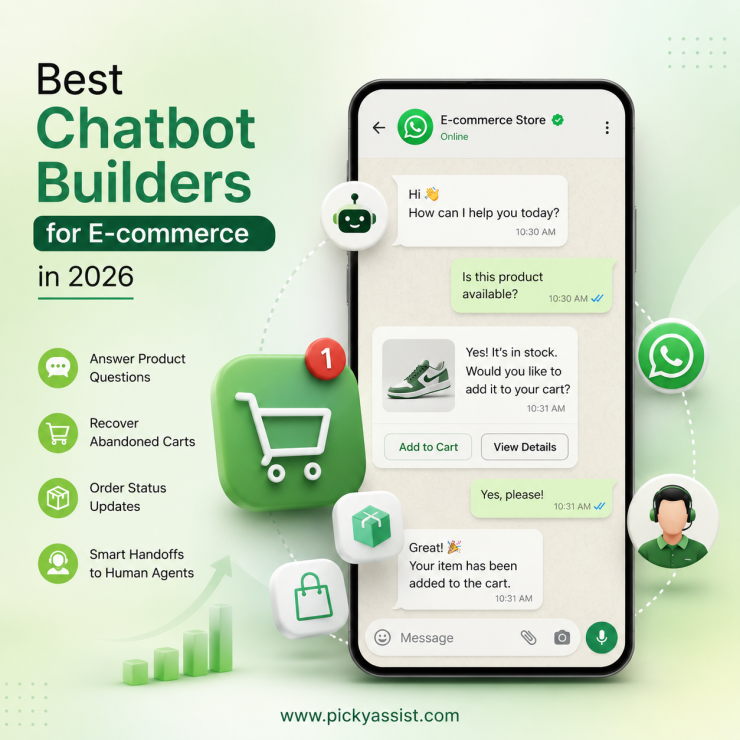
Every ecommerce team asking “what’s the best chatbot builder” is really asking two questions at once: which tool is easiest to set up without a developer, and which one actually moves revenue; cart recovery, order status, product questions, not just FAQs. Those answers aren’t always the same tool.
Picky Assist is the strongest starting point for a true no-code WhatsApp chatbot builder with cart-recovery and order-update automation if you run an ecommerce store. Botpress suits teams with developers who want full logic control. ManyChat fits Instagram-heavy social selling. Intercom’s Fin AI and Tidio’s Lyro suit stores with support volume high enough to justify per-resolution AI pricing.
Three things separated a genuinely useful pick here: whether non-technical staff can build flows themselves, whether the bot reads live order/catalog data instead of static FAQs, and whether pricing stays predictable as conversation volume spikes during sales.
Top 5 Chatbot Builders for Ecommerce in 2026
1. Picky Assist — Best No-Code WhatsApp Chatbot Builder
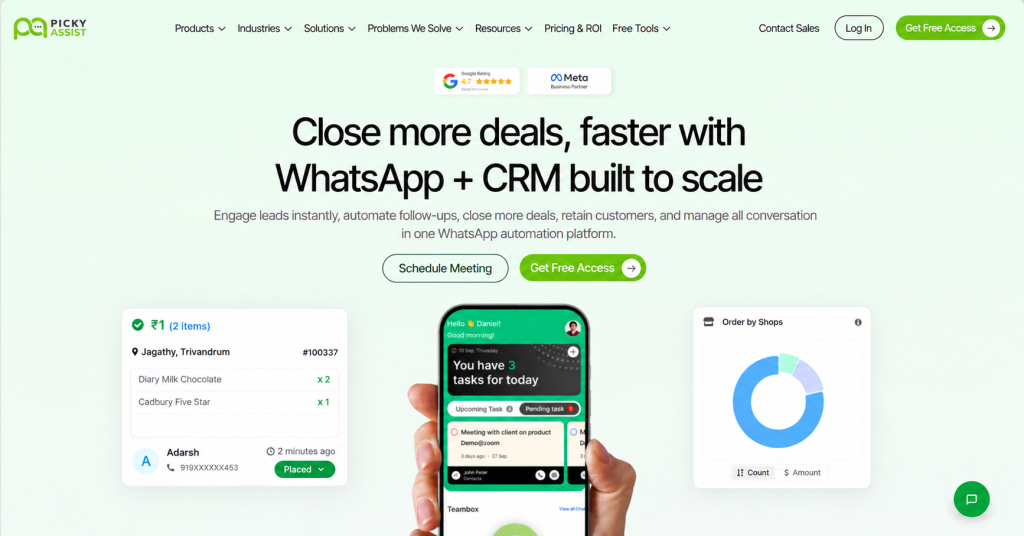
Picky Assist runs on a visual drag-and-drop no-code flow builder, so teams launch WhatsApp bots for lead capture, order updates, and follow-ups without hiring a developer. It supports both AI-driven Smart Replies and rule-based flows, switchable to different agents or AI agents as per your requirements, plus a modular CRM, shared team inbox, and role-based access.
The practical advantage for ecommerce: the bot, the cart-recovery follow-up, and the human handoff all run inside one WhatsApp thread instead of bouncing a customer between a widget and a separate app.
See full features and pricing details here! Also if you like, read an Ecommerce Case Study with real results right here : Grow like Haifabz!
2. Botpress — Best for Developer-Level Customization
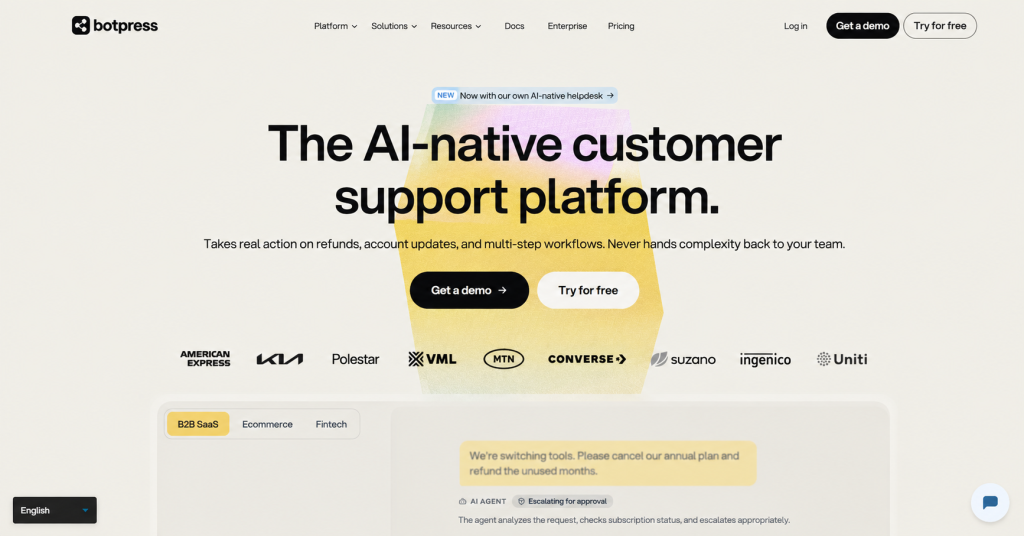
Botpress is an open-source, developer-first platform with a visual flow builder plus a code editor for custom JavaScript logic. It handles conditional logic beyond simple drag-and-drop tools, multi-step flows that qualify a lead, check inventory, then route to a human. The tradeoff: a real learning curve past basic flows, and non-technical teams often find it heavier than a pure no-code builder. Pricing is pay-as-you-go, free tier included, with paid plans starting around $89/month plus usage-based AI costs.
3. ManyChat — Best for Instagram + Shopify Social Selling

ManyChat’s strength is comment-to-DM automation on Instagram and Messenger, extended into Shopify through purchase-triggered flows like abandoned-cart recovery and order confirmations. It’s the obvious pick when most sales conversations start as social engagement rather than direct site visits. One operational note: ManyChat’s native Shopify app has been discontinued, so integrations now typically route through Zapier, an added subscription cost. Pricing is contact-based and has shifted structures more than once in 2026 — confirm current tiers directly before budgeting.
4. Intercom (Fin AI) — Best AI Resolution Rates at Scale
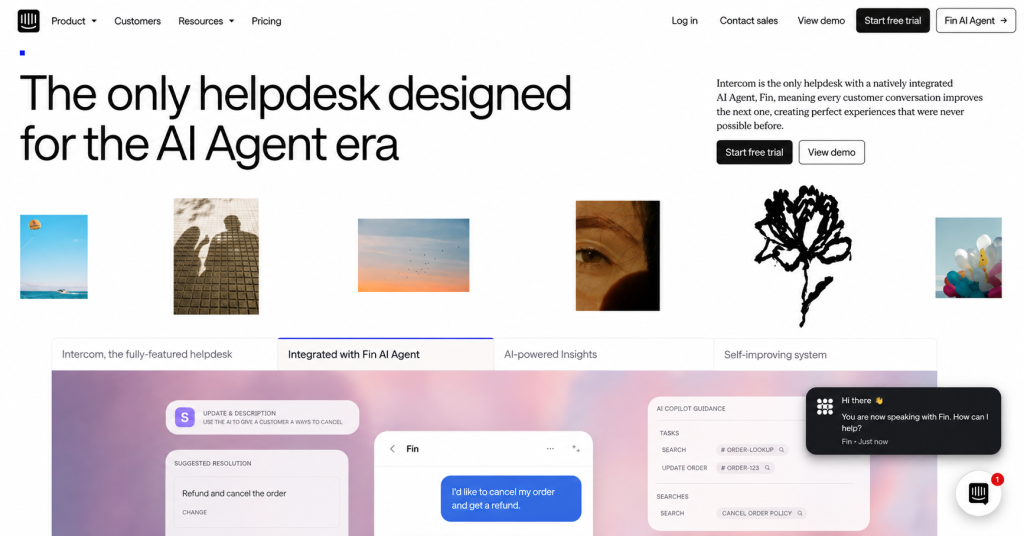
Intercom’s Fin AI agent connects to Shopify order, catalog, and inventory data and is priced per resolved conversation — around $0.99 per outcome — rather than a flat AI seat fee. Intercom is a certified Shopify Plus Technology Partner; published case material puts real-world resolution rates at 42–50%, lower than headline marketing numbers but a reasonable planning baseline. This fits high support volume where automating even a third of tickets creates clear savings; it’s costly to test at low volume since seats and resolutions bill separately.
5. Tidio — Best Budget-Friendly Shopify Widget
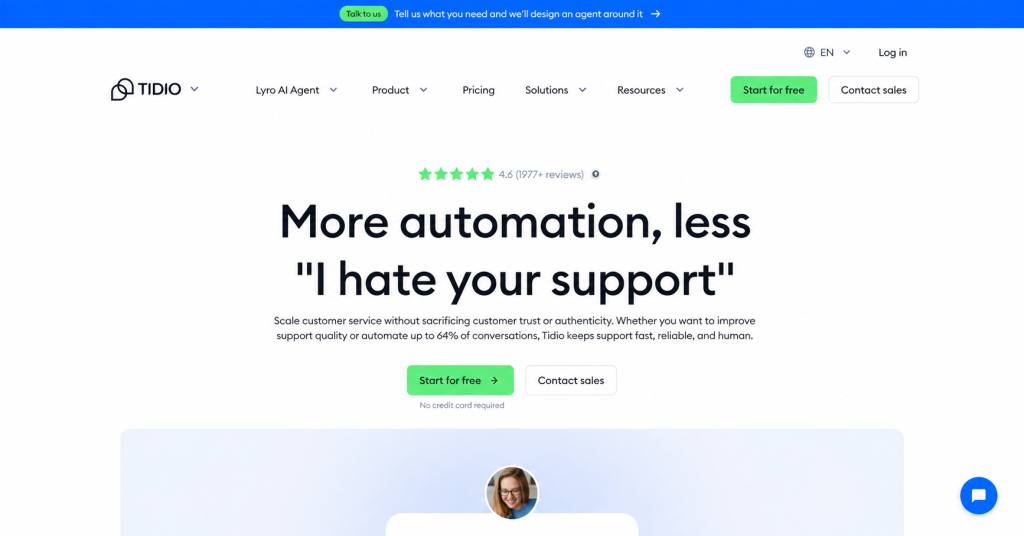
Tidio pairs a website chat widget with the Lyro AI add-on, advertised as resolving up to 67% of inquiries, though independent reviews suggest most stores land closer to 40–60% in practice. Shopify integration is straightforward, one-click install, native order actions on Growth plan and above. The catch: Lyro AI conversations bill separately from the base plan, and stores can hit surprise tier upgrades during high-traffic periods, so model seasonal volume before committing.
Quick Comparison for Chatbot Builders for Ecommerce
| Builder | Best for | No-code? | AI pricing model |
|---|---|---|---|
| Picky Assist | WhatsApp-first ecommerce automation | Yes | Platform-based, see website |
| Botpress | Custom logic, developer teams | Low-code | Pay-as-you-go, ~$89/mo+ |
| ManyChat | Instagram/social selling + Shopify | Yes | Contact-based tiers |
| Intercom Fin AI | High-volume support automation | Yes | ~$0.99 per resolution + seats |
| Tidio (Lyro) | Budget Shopify widget | Yes | Base plan + separate AI add-on |
Checklist Before You Choose a Bot Builder
- Can non-technical staff edit flows without a developer?
- Does it read live order/catalog data, not just static FAQs?
- Is AI pricing flat, or does it scale unpredictably with volume?
- Does human handoff carry full chat context?
- Does it support the channel customers actually use, WhatsApp, Instagram, or website?
FAQs on Chatbot Builders for Ecommerce
It depends on the channel and team. Picky Assist suits WhatsApp-first stores wanting no-code setup; Botpress suits developer teams; ManyChat suits Instagram-driven social selling; Intercom and Tidio suit stores prioritizing AI resolution rates on a website widget.
No. Picky Assist, ManyChat, and Tidio are built for non-technical users with drag-and-drop builders. Botpress offers a no-code layer too, but its deeper features assume some technical comfort.
Tidio, Intercom’s Fin AI, and ManyChat all offer direct Shopify integrations. Picky Assist connects ecommerce workflows primarily through WhatsApp automation rather than a Shopify-native app.
Costs vary by model, flat platform pricing, contact-based tiers, or per-resolution billing like Intercom’s roughly $0.99 per resolved conversation. Model your actual conversation volume before comparing sticker prices.
WhatsApp bots tend to perform better for follow-ups like cart recovery because conversations persist in a thread the customer already has open, rather than closing when they leave a webpage.
Add comment